HIGHER EDUCATION TITLES NAVIGATING INFORMATION LITERACY
Being information literate is no longer a ‘nice-to-have’ skill; it is a skill essential to coping and succeeding in the 21st century.
Navigating Information Literacy in a Digital World, now in its 7th edition, has been redesigned to be ‘digital-first’. This interactive eBook has been updated to cover the information skills needed for academic study, the workplace and everyday life. It emphasises the importance of being an ethical and digitally responsible citizen.
“Being information literate is an essential skill that everybody needs in a world where we are bombarded by huge amounts of digital information from a variety of sources, both credible and untrue. This eBook teaches you how to distinguish between good quality and fake information, both in an academic context, and in your everyday activities.”
Prof. Theo Bothma
BENEFITS OF NAVIGATING INFORMATION LITERACY IN A DIGITAL WORLD
DYNAMIC LEARNING EXPERIENCE
Content is presented in manageable chunks to improve acquisition. Interactive content translates static content into a dynamic learning experience.
ACTIVATE PRIOR KNOWLEDGE
Students engage actively with the content by manipulating instructional materials, which activates related prior knowledge.
GENERATE NEW KNOWLEDGE
Students integrate prior experience and learning with current activities to generate new knowledge.
INSTRUCTOR RESOURCES
Resources include test questions, PowerPoint slides with speaking notes and class discussion ideas.
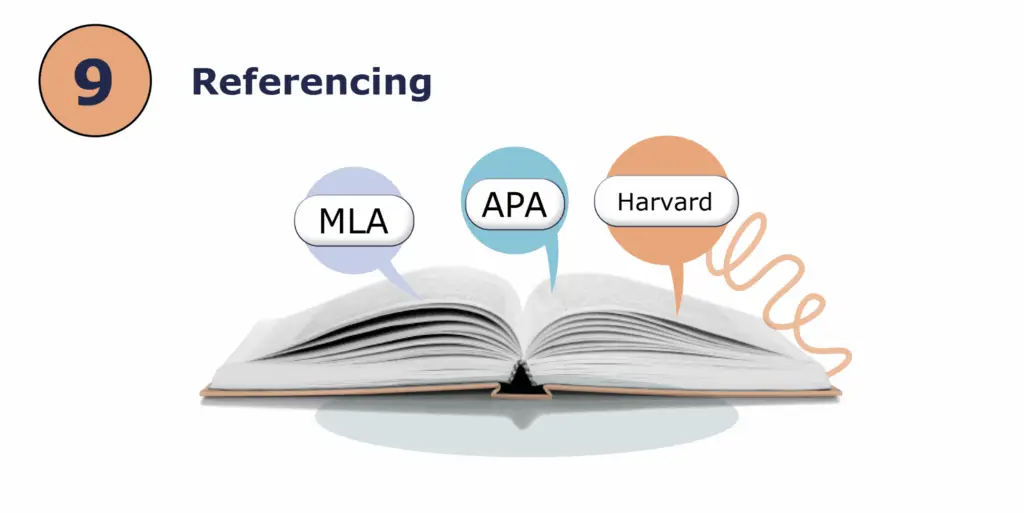
1. Introducing information literacy 2. Information sources and resources 3. Libraries and portals 4. The search query 5. Searching the web 6. Searching databases and online journals 7. Organising and retrieving information on your computer 8. Ethics and fair use 9. Referencing 10. Evaluating information sources 11. Information documentation and creation process 12. Being information literate in an AI and GenAI world
CORE FEATURES OF NAVIGATING INFORMATION LITERACY
REAL-WORLD
Mini-simulations draw on situated learning theory where the user is ‘situated’ in the learning experience so knowledge acquisition becomes part of the learning activity.
SELF-EVALUATING AND MONITORING
‘Knowledge check’ activities are short formative assessments that enable students to check their theoretical understanding, and improve recall and retention of content.
STRUCTURED AND INTERACTIVE CONTENT
Introductory chapter animations and instructional videos introduce content and explain concepts with real-world examples.
ENGAGED LEARNING ENVIRONMENT
‘Try it for yourself’ activities enable learners to further apply their knowledge and skills, generate new knowledge, and work collaboratively.